

How to Choose the Best Cut of Ribs for Your Next Feast
Baby Back Ribs vs. Spare Ribs: Understand the Difference at Rib and Chop House
You’re staring down a menu, or maybe a meat case at your local butcher, and there they are: baby backs, spare ribs, St. Louis style, beef ribs. They all sound good. They’re all ribs, so what’s the difference, and which one should you actually order?
Each one has its own flavor profile, texture, and ideal cooking method. Here’s what you need to know before your next rib feast.
The Main Types of Ribs, Explained
Baby Back Ribs
Baby backs come from the upper part of the rib cage, right along the backbone. They’re shorter and more curved than other cuts, and because they’re closer to the loin, they tend to be leaner and more tender.
If you want your ribs to practically fall off the bone without any fuss, baby backs are your pick. They cook faster than spare ribs and have a mild, slightly sweet flavor that takes well to glazes and dry rubs—which is why they’ve become the default rib order for most of the country.
Spare Ribs
Spare ribs come from the belly of the rib cage, lower down than baby backs. They’re longer, flatter, and have more fat running through them, which adds a lot of flavor.
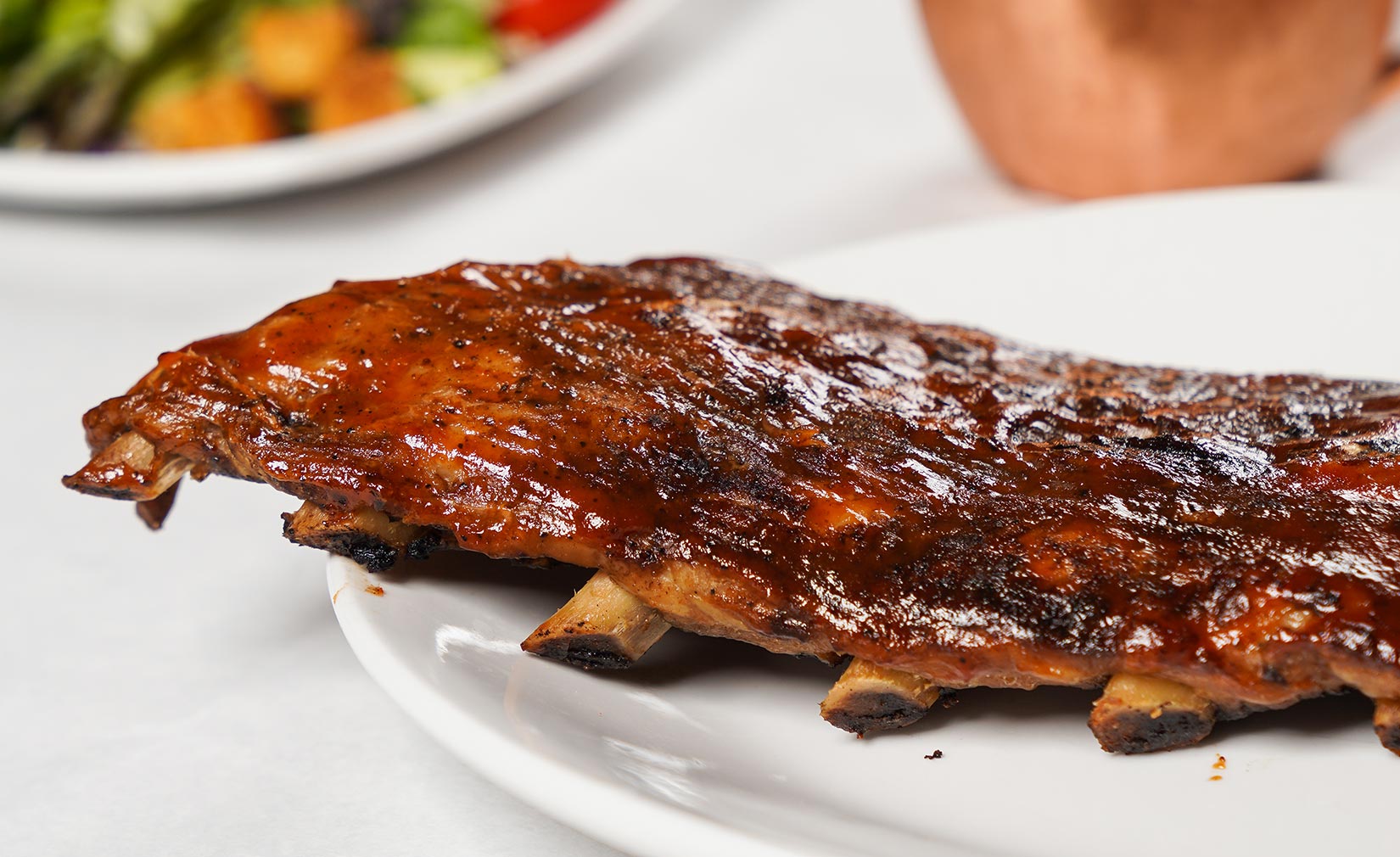
The tradeoff is time. Spare ribs benefit from a longer, slower cook to break down the fat and connective tissue. If they’re done right, however, they are hard to beat. The extra fat keeps them juicy throughout the cook, and the flavor is deeper and richer than baby back ribs. If you’re a low-and-slow BBQ purist, this is your cut.
St. Louis Style Ribs
St. Louis-style ribs are spare ribs that have been trimmed down into a cleaner, more rectangular shape. The breastbone, cartilage, and the skirt meat are removed, leaving a flat rack that cooks more evenly.
In terms of flavor, you’re still getting that spare rib richness—but in a more manageable package. They’re meatier than baby backs and have better fat distribution than a full spare rib rack. A lot of pitmasters consider St. Louis style the sweet spot, and it’s easy to see why.
Beef Ribs
Everything about beef ribs is bigger. Bigger bones, bolder flavor, richer marbling—and none of the delicacy of pork. They’re not trying to be subtle, and they don’t need to be.
Beef back ribs come from the same area as a prime rib roast. Short ribs—cut from the plate or chuck—are even meatier and have become a steakhouse staple for good reason. One short rib and a glass of red wine is a meal that requires no explanation.
Baby Back vs. Spare Ribs—Which Should You Choose?
Baby back vs. spare ribs is a popular question asked by meat lovers everywhere. Baby backs: faster, leaner, more tender. Spare ribs: richer, meatier, worth the wait. St. Louis style: spare rib flavor with less chaos on the cutting board.
The honest answer is that “best” depends entirely on what you want out of the experience. Baby backs reward impatience. Spare ribs reward patience. If you have the time and the appetite, go spare.
What to Look for When Buying Ribs
Good meat coverage matters. Avoid racks with “shiners,” which are bare patches where bone shows through without much meat. That usually indicates a sloppy butcher job. The meat should be deep pink to red with visible marbling throughout. Gray color or any kind of off smell are both hard passes.
When in doubt, ask your butcher. That’s what they’re there for.
Leave the Choosing to Us
Of course, if you’d rather skip the research and get straight to eating, that’s what we’re here for. At Rib & Chop House, our ribs are slow-cooked and seasoned the way they’re supposed to be. No shortcuts, no guessing. Whether you’re a Fulton Street Baby Back loyalist or a beef rib convert, we’ve got a cut worth coming back for.
Frequently Asked Questions
What is the most tender cut of ribs?
Baby back ribs are generally the most tender cut because they are located near the loin. They cook faster and have a softer texture compared to spare or St. Louis-style ribs.
What’s the difference between baby back and spare ribs?
Baby backs come from the upper rib cage and are leaner and more tender. Spare ribs come from the lower belly area and are larger, fattier, and more flavorful, but require a longer cook time.
Are beef ribs or pork ribs better?
It depends on what you want. Pork ribs are more common and come in a wider range of styles. Beef ribs are bolder and meatier, with a richer flavor that appeals to serious steak and BBQ fans.
What are St. Louis-style ribs?
St. Louis-style ribs are spare ribs that have been trimmed into a uniform, rectangular rack by removing the breastbone and cartilage. They cook evenly and are a popular choice for competitions and backyard BBQs alike.