


Top 5 Mistakes People Make When Cooking a Medium-Rare Steak
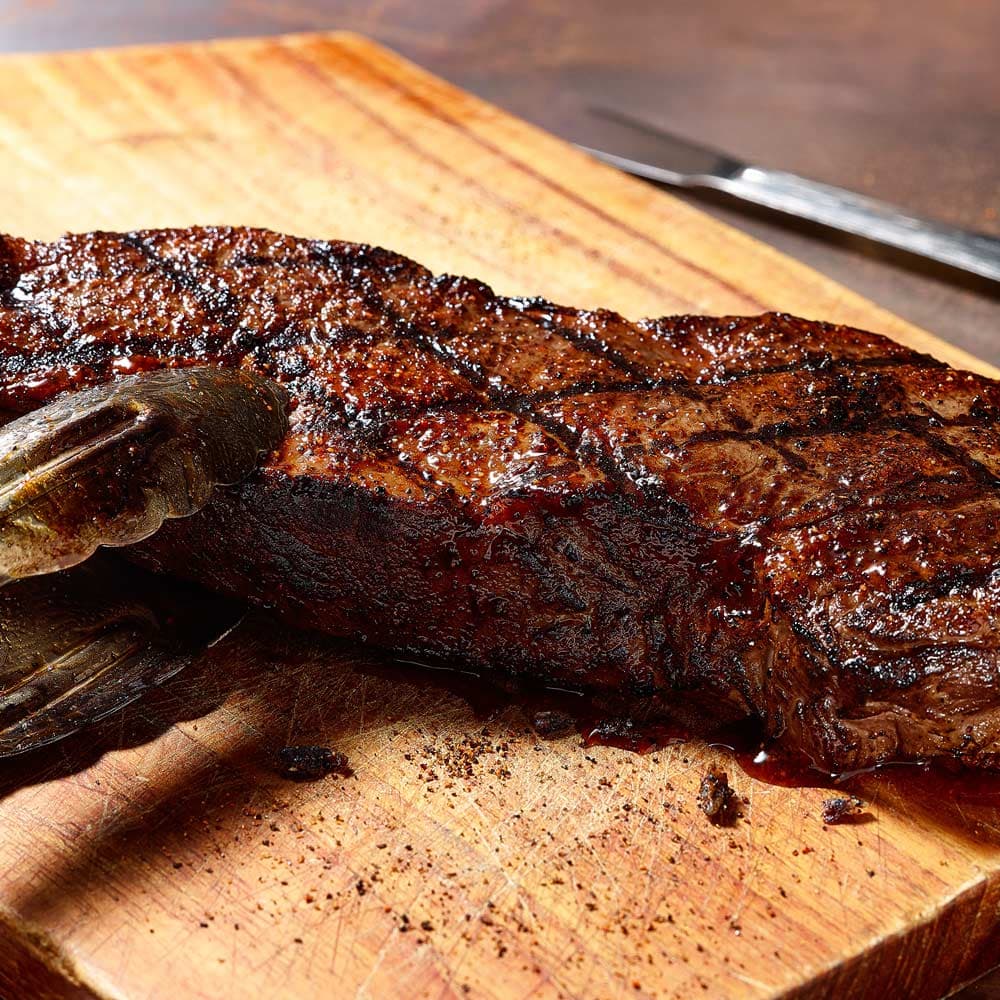
How to Cook the Perfect Medium-Rare Steak, Rib & Chop House Style
Medium-rare is the pink most want, but can almost never hit on their first couple of attempts (unless you’re a master chef—congratulations). For the average Joe, you buy a good cut, fire up the pan, and somehow still end up with a steak that’s gray all the way through, or seared like a hockey puck on the outside and cold in the middle. The good news: it’s not bad luck, and it’s not that you need some secret chef trick. It usually comes down to one of five habits, and all of them are easy to fix once you know what to look for.
Top 5 Medium-Rare Cooking Mistakes at a Glance
- Cooking it cold
- Not getting the pan (or grill) hot enough
- Guessing instead of checking internal temperature
- Fussing and moving the steak around too much
- Skipping the rest
Mistake #1: Cooking it Cold
Pulling a steak straight from the fridge and tossing it in the pan is one of the most common ways to sabotage medium-rare before you’ve even turned on the heat. A cold steak cooks unevenly—the outside is done, sometimes overdone, before the center has any chance to catch up. Let your steak sit out for about 30 to 45 minutes before it hits the heat. It sounds like a small thing, but it’s the difference between an evenly pink center and a bullseye of gray, pink, and raw all in one cut.
Mistake #2: Not Getting the Pan (or Grill) Hot Enough
This one sneaks up on people. You think your pan is hot, but if the steak isn’t sizzling the second it touches the surface, it’s not hot enough. An under-heated pan steams the meat instead of searing it, which means no crust, no color, and no flavor—just a sad, gray exterior. And here’s another thing: people often respond by leaving the steak on longer to “get some color,” which just overcooks it. Get your pan or grill properly hot before the steak ever goes near it. The aggressive sizzle sound should be magic to your ears. Strive for it.
Mistake #3: Guessing Instead of Checking
The poke test. The color of the juices. Cutting a little slit to peek inside. We get it. Everyone’s got a method they swear works, passed down from somewhere who swore by it too. But none of them are reliable enough to consistently get you medium-rare, especially with cuts of varying thicknesses. A cheap instant-read thermometer solves this instantly. Pull your steak around 130-135°F for medium-rare, keeping in mind it’ll climb a few more degrees while it rests. No guessing, no cutting into it too early and losing juices, no disappointment.
Mistake #4: Fussing With it Too Much
Steak doesn’t need your help. It needs you to leave it alone. Flipping it every 30 seconds, pressing it down with a spatula to “help it cook faster,” moving it around the pan looking for the perfect spot: all of it works against you. Constant flipping and pressing keeps the surface from ever developing a real crust, and pressing down just squeezes out the juices you want to keep inside. Place it, let it sear, flip once (twice at most), and resist the urge to poke, prod, or peek.
Mistake #5: Skipping the Rest
You made it through the hard part, and now you’re standing over a beautifully seared steak with a knife in hand. Step away from the steak. Cutting in right away means all those juices you worked so hard to keep inside end up on the cutting board instead of in the meat. Let it rest for 5 to 10 minutes, loosely tented with foil. It’ll keep cooking slightly as it rests, which is exactly why pulling it a touch early in Mistake #3 matters. After you let it rest, cut in and enjoy what you cooked.
Getting it Right, Every Time
Nail these five, and you’re most of the way to a steak that looks and tastes like it came from somewhere with a lot more practice than your kitchen. And if you’d rather skip the thermometer, the resting timer, and the guesswork altogether—that’s exactly what we’re here for. At Rib & Chop House, medium-rare steak isn’t a gamble; it’s just another Tuesday. Come let us handle the hard party, and enjoy the steak without the stress.